This article was originally published on Substack.
A common question for anyone starting Zettelkasten is: analog or digital? If you go digital, you must choose among countless specialist or general apps, plugins, and configuration options.
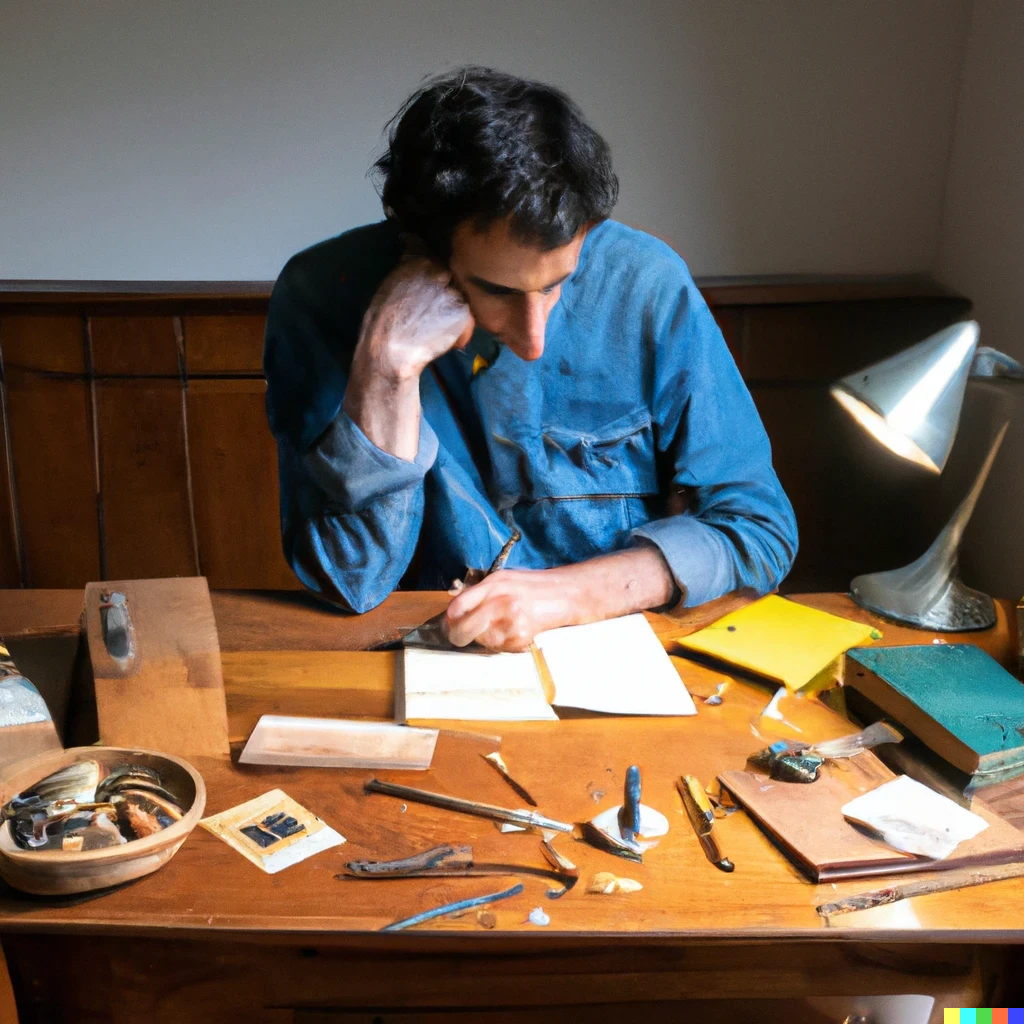
On the analog side things stay leaner: any “extra” control or decoration is manual work.
Personally I went through many digital phases. Around 2005 I kept files on a USB stick in a folder tree by category and date. Then Evernote, OneNote, Excel, Trello, Notion, ClickApp, Obsidian—I’m sure I forgot some. Today I use Notion for projects, to-dos, and lists, and an analog zettelkasten for knowledge development.
One reason I chose analog is that digital offers so many options and it is so easy to experiment that I never stuck with one setup long. My PKM kept getting overturned. Copy-paste made it too easy to lower my bar for selecting and extracting information—plus fast add, edit, and delete.
Time spent customizing, combined with how easy it is to dump information in and how little time I spent actually developing knowledge, always pushed me away from a stable digital PKM.
With analog I spend far less time customizing. I am much stricter about selecting and extracting because the process is manual—pen on paper. I spend more time developing knowledge. I stay exposed to the material longer. When a passage in a book stands out, I might first add it to a bib card. On review I may move it to the main box—copying by hand to a card—then decide the best address in my zettelkasten. I can add index entries for the new material.
It is (and feels like) a lot of work—but that friction is what makes knowledge worth sharing more likely to emerge.
Some people disagree that analog helps. I have no problem with whichever path you choose. If zettelkasten “doesn’t work” for you, trying digital might be part of the issue—we already spend all day on screens and may lack energy for more screen time with the box. Or endless customization, or one click away from social media, makes focus hard—along with easy copy-paste selection.
We are flooded with information and often pushed to consume it quickly. Analog forces a slower study pace, slower and deeper thinking, and more selectivity.
My suggestion: start analog; if you still need digital later, migrate with more experience. You will build your own workflow adapted to your reality.